
Child Passenger Safety
Motor vehicle crashes are among the leading causes of death for American children ages 1 to 14. In 2019, 1,053 children aged 14 and younger were killed and an estimated 183,000 were injured in motor vehicle crashes. The best way to protect children aged 12 and under from risks posed by air bags is to place them in the back seat, restrained by a child safety seat, booster seat or safety belt, as appropriate.
Booster Seat Laws
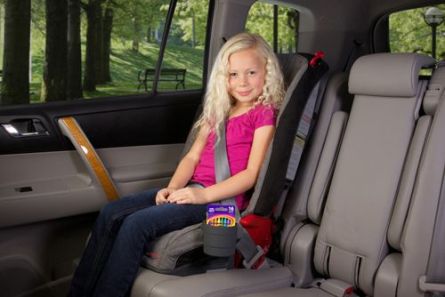
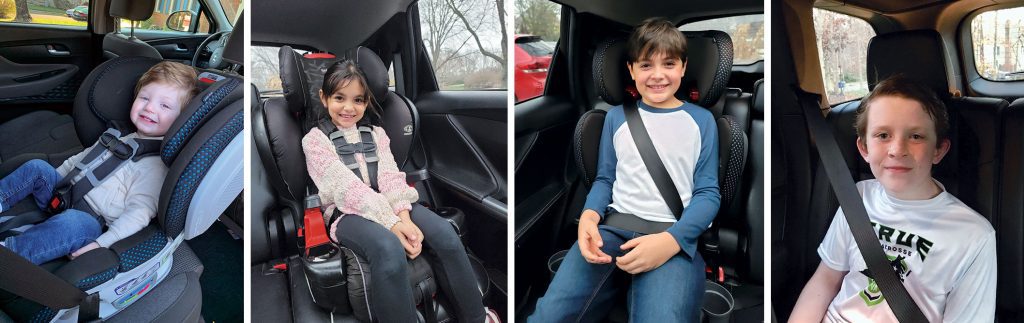
Booster seats are intended to provide a platform that lifts the child up off the vehicle seat in order to improve the fit of the child in a three-point adult safety belt. They should also position the lap belt portion of the adult safety belt across the child’s hips or pelvic area. An improper fit of an adult safety belt can cause the lap belt to ride up over the stomach and the shoulder belt to cut across the neck, potentially exposing the child to serious abdominal and neck injury. Additionally, if the shoulder strap portion of the lap/shoulder belt is uncomfortable, children will likely place it behind their backs, defeating the safety benefits of the system. When children are properly restrained in a child safety seat, booster seat or safety belt, as appropriate for their age and size, their chance of being killed or seriously injured in a car crash is greatly reduced.
- According to NHTSA, when used properly, child safety seats reduce fatal injury by 71% for infants and 54% for toddlers in passenger cars. Using a booster seat with a seat belt instead of a seat belt alone reduces a child’s risk of injury in a crash by 45%, according to Partners for Child Passenger Safety, a project of Children’s Hospital of Philadelphia and State Farm Insurance.
- Over 325 lives were saved in 2017 by restraining children four and younger in passenger vehicles.
- Across all age groups, injury risk is lowest (less than 2%) when children are placed in an age-appropriate restraint in the rear seat.
- A Lou Harris public opinion poll found that 84% of Americans support all states having booster seat laws protecting children aged four through seven.
- According to IIHS, expanded child restraint laws covering children through age seven were associated with:
- 5% reduction in the rate of children with injuries of any severity;
- 17% reduction in the rate of children with fatal and incapacitating injuries;
- Children being 3 times as likely to be in appropriate restraints;
- 6% increase in the number of booster-seat aged children seated in the rear of the vehicle where children are better protected.